URSPRUNG
BAUMSTEIN - UNIKATE AUS FOSSILEM HOLZ, DIE EINE GESCHICHTE ERZÄHLEN.
Ausgedehnte Waldlandschaften prägten das Antlitz Europas vor über 33 Millionen Jahren.
Charakteristisch für diese Vegetationsform waren Mammutbäume – eine der dominierenden Baumarten in der nördlichen Hemisphäre. Bis heute zählen sie zu den eindrucksvollsten, ältesten und mächtigsten Bäumen der Erde.
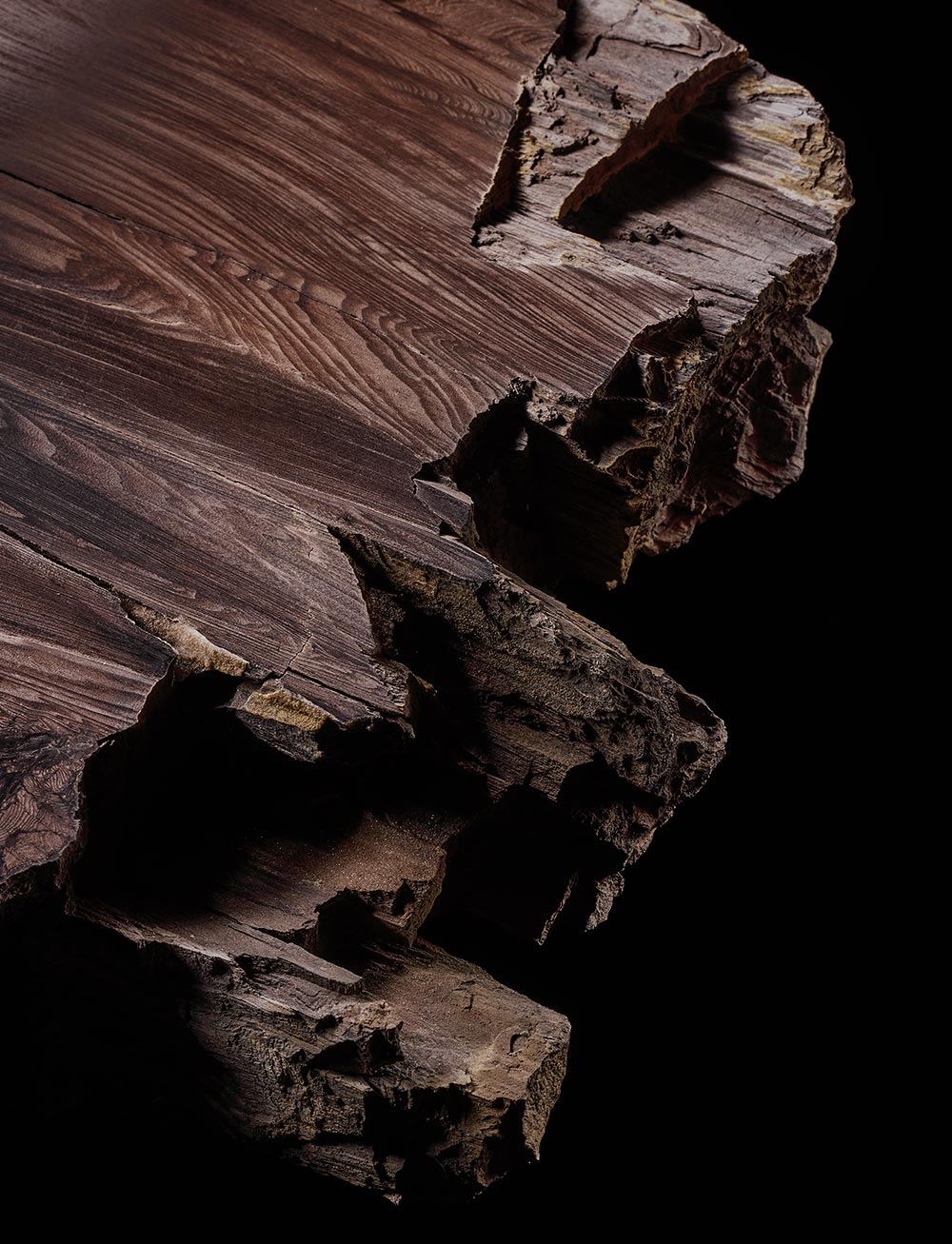
DER WEG VOM HOLZ ZUM STEIN
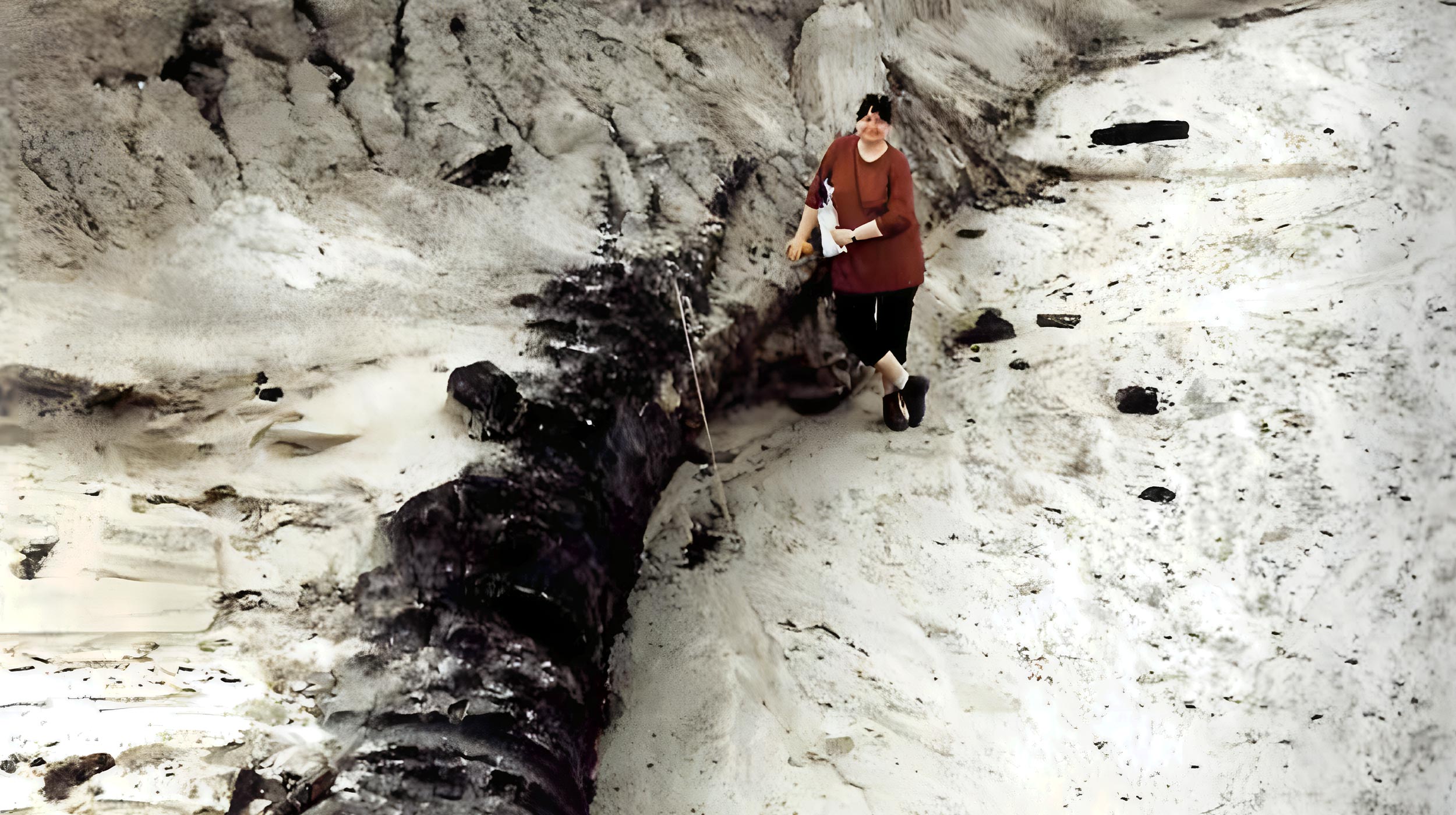

DER WEG VOM HOLZ ZUM STEIN
Versteinertes Holz ist Teil von Sedimentgestein und wird häufig auch als Dendrolith bezeichnet (griech. = Baumstein).
Damit versteinertes Holz entstehen kann, bedarf es vieler geologischer Prozesse – und vor allem Zeit. Wälder wurden über Jahrmillionen von Sedimenten überlagert, was zur Folge hatte, dass die Bäume vor der Zersetzung geschützt wurden. Aufgrund der Last der Sedimente erhöhten sich Druck und Temperatur – überschüssiges Wasser wurde herausgepresst. Um „zu Stein“ zu werden, darf keinerlei Sauerstoff zum Holzstück gelangen. Die luftdichte Schicht aus Sedimenten legt sich wie eine schützende, dicke Decke auf das Holz. So eingepackt liegen die Bäume für eine nahezu ewig erscheinende Zeit. In diesen Jahrmillionen ist es jedoch nicht vollkommen still unter dieser Schicht aus Ton, Sand und Vulkanasche. Unaufhörlich sickert Wasser bis in die tiefen Bodenschichten und gelangt zu den uralten Baumriesen. Das Wasser transportiert gelöste Stoffe wie Mineralien in die Bäume hinein. Dort nehmen die Zellen des Holzes diese auf. Nach und nach wird so das organische Holz durch anorganische Mineralien ersetzt. Holz wird zu Stein.

FUNDORT
ESPENHAIN
„
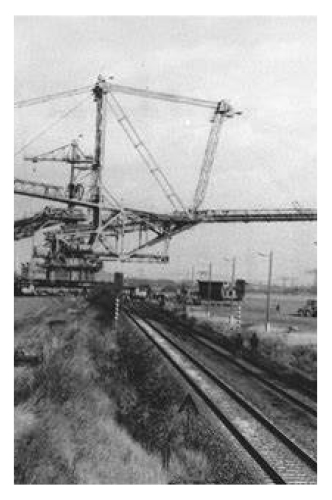
Die versteinerten Hölzer aus Espenhain sind ca. 28–40 Mio. Jahre alt und lagern in Schichten aus Alttertiär, Eozän und Oligozän. Meist wurden die Hölzer oberhalb des jüngsten Braunkohlenflözes (Flöz IV) gefunden. Diese versteinerten Bäume waren Teil des Abraums, wurden verkippt und selten von Wissenschaftlern untersucht. Einzelstücke wurden gerettet und als
Geotope auf öffentlichen Plätzen, in Geoparks oder Steingärten aufgestellt. Tonnenschwere Wurzelstubben und Stammstücke sind Besonderheiten. Ein »versteinerter Wald« am Ursprungsort kann schlecht erhalten werden, da die Tagebaue geflutet und Böschungen von Tagebauseen bedeckt werden. Es wurde bisher versäumt, eine große und doch repräsentative Anzahl von Stämmen zu bergen, zu konservieren und geschützt aufzubewahren. Insofern ist Steinholz, das durch Handwerksgeschick gesägt, geschliffen und poliert wird, ein für die Nachwelt bewahrtes Relikt.
“
Dipl. Geol. Lutz Gebhardt
Nehmen Sie gern
Kontakt mit uns auf.

© BAUMSTEIN. All rights reserved. 2025